Systems we install
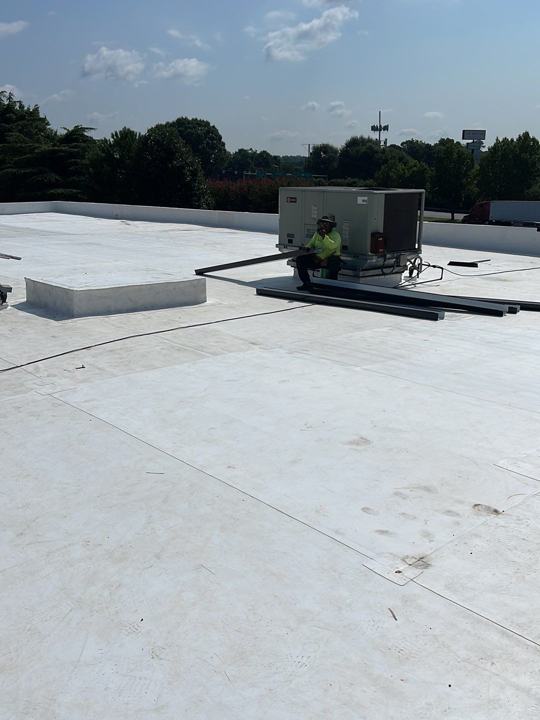
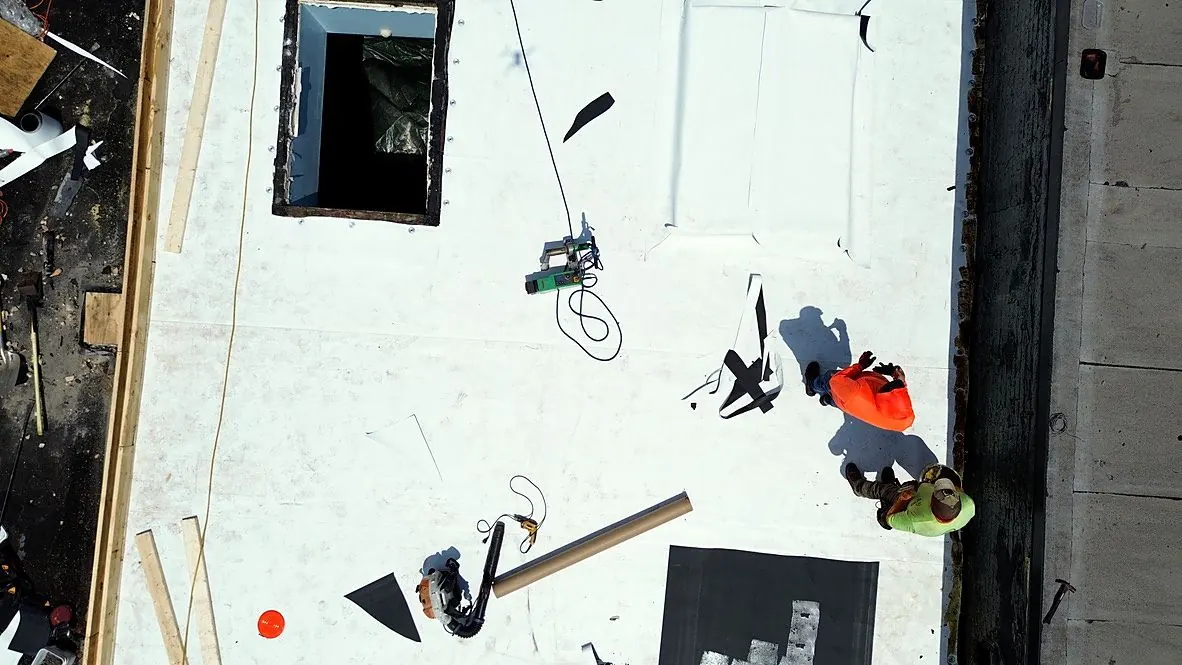
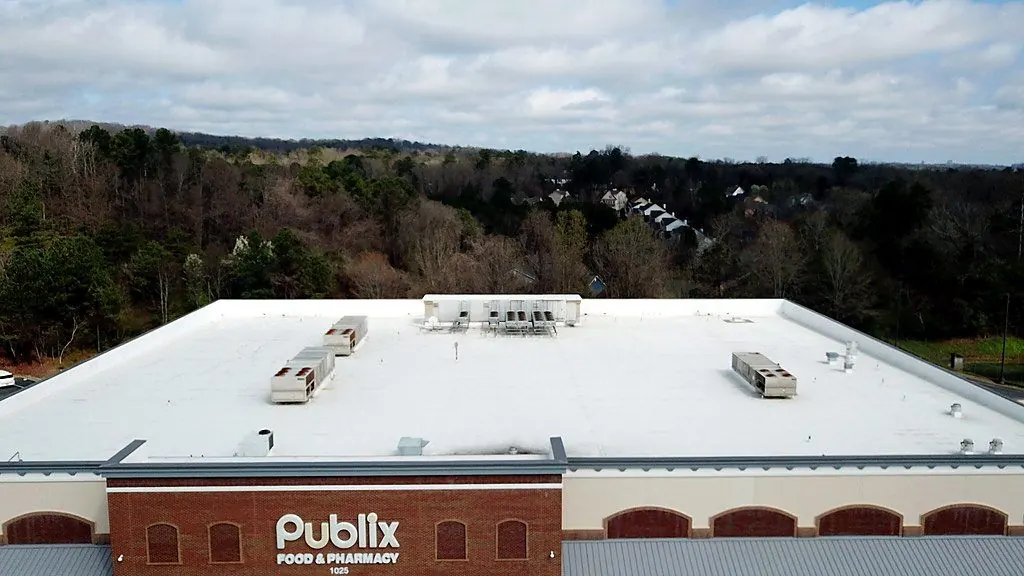
- TPO, heat-welded single-ply, the most common new flat roof.
- PVC (Duro-Last), prefabricated, chemical- and grease-resistant, ideal for restaurants.
- Modified bitumen and EPDM, repairs and replacements on existing systems.
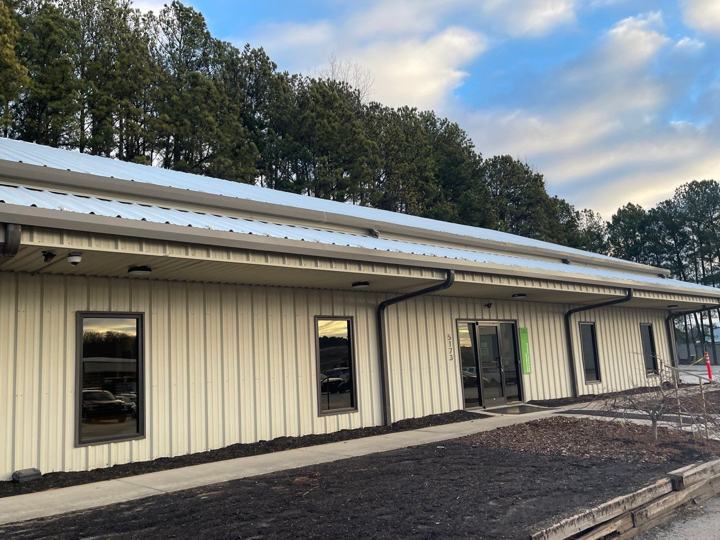
- Metal, standing seam re-roofs for offices and medical buildings.
- Coatings, restore and extend an aging roof without a tear-off, including ASTEC systems from an Authorized Contractor.
Building types we serve
Office and retail, warehouses and light industrial, medical, churches, apartment and condo communities, and restaurants. We work around tenants and operating hours.
Drainage is everything
Most flat roof failures start with ponding water. On replacements we design tapered polyiso insulation to move water to drains and scuppers, and fix the cause, not just the membrane.
Inspection, scope and execution - no surprises
Commercial roofs fail quietly. By the time water shows up on a ceiling tile, it has usually been traveling under the membrane for weeks. Our commercial inspections start on the roof - seams, flashings, penetrations, drains and edge metal - and include core cuts or a moisture survey when we suspect wet insulation, because that single question decides whether a roof can be restored, recovered or has to come off.
You get a written report with photos and a clear recommendation: repair, restore with a coating, recover over the existing roof, or full tear-off. Each option is priced so owners and property managers can plan capital budgets instead of reacting to leaks.
Recover or tear off?
Building codes allow a new roof system to go over an existing one only when the existing roof is dry, structurally sound and there's no more than one existing layer. A recover saves tear-off and disposal costs and keeps the building in operation, but putting a new membrane over wet insulation traps the problem and voids the value of the new roof.
We check before we recommend. When a recover makes sense, it's often the best-value move a building owner can make. When it doesn't, we'll show you why with cores and photos. See TPO, PVC, EPDM, modified bitumen and roof coatings for system details.
Working around occupied buildings
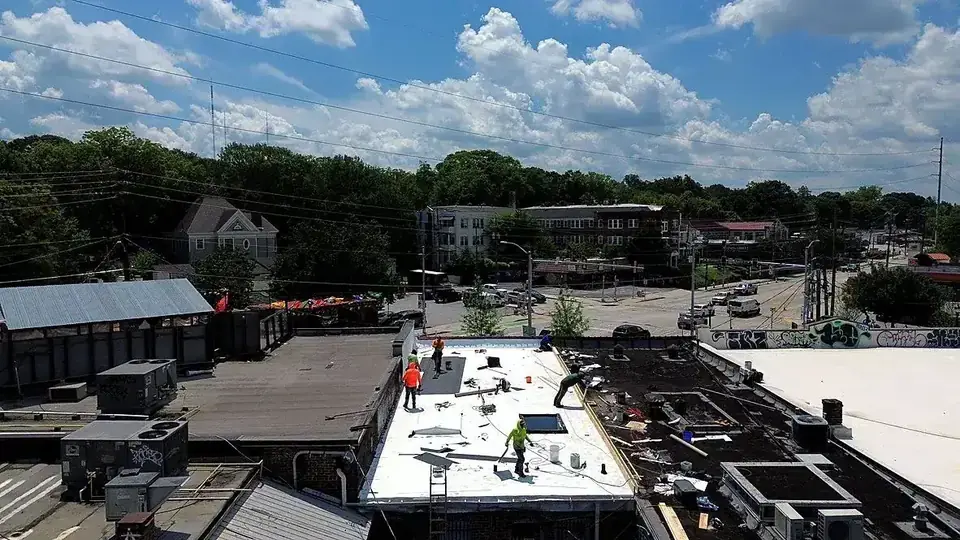
- Phased work so tenants, congregations and customers keep operating.
- Early-morning, after-hours and weekend scheduling when the building needs it.
- Daily dry-in - no section of roof is left open overnight.
- Rooftop unit coordination with your HVAC contractor, and protection of interior spaces below active work.
- One point of contact from proposal to closeout, with photo updates.
Warranties, maintenance and tax considerations
Our TPO roofs are installed with GAF EverGuard 60-mil membrane, backed by a 20-year material warranty and Mosaic's 10-year workmanship warranty. As a Duro-Last Authorized Dealer we also install Duro-Last PVC systems for buildings that need superior chemical and grease resistance, like restaurants.
Ask us about planned maintenance: a twice-a-year inspection with drain and seam checks is the cheapest way to make a commercial roof reach its full life. Under current federal tax law, roofs on nonresidential buildings may also qualify for accelerated depreciation (Section 179) - talk to your accountant about whether it applies to your property.
Choosing a system for your building
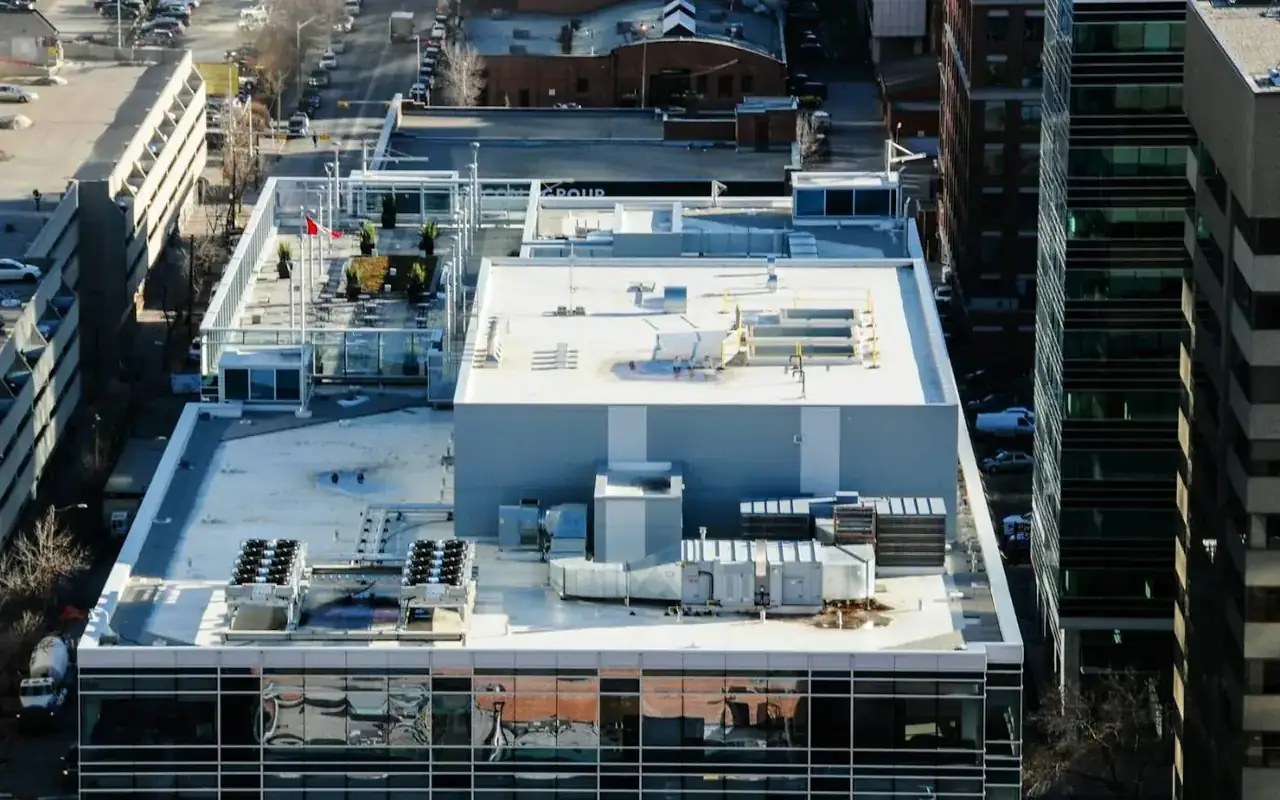
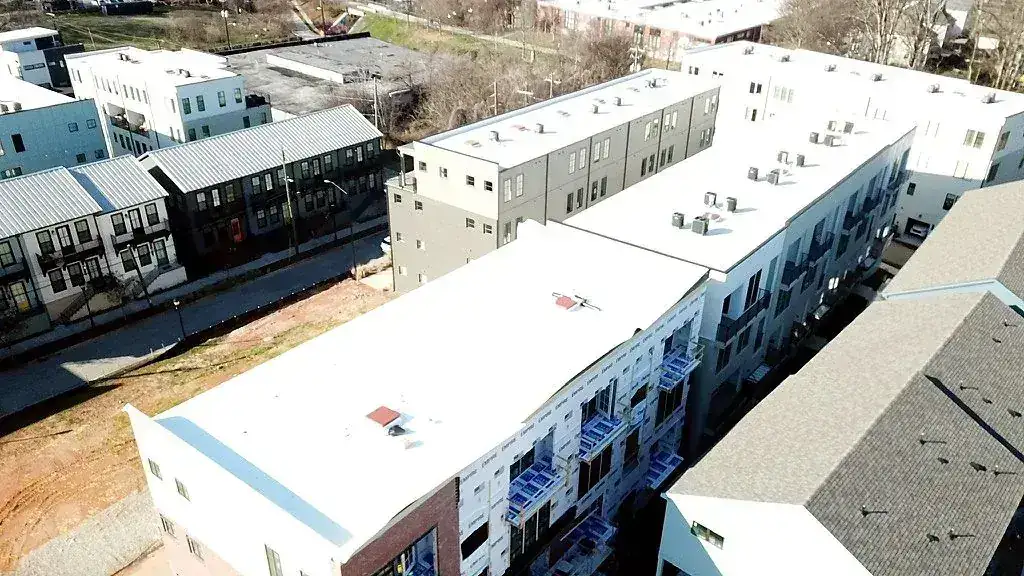
The right commercial roof depends on the building's use, its slope, how much foot traffic and equipment it carries, and what the roof sits on. We recommend a system based on those facts, not on the product a supplier has in stock. For a side-by-side look at the three most common single-ply membranes, read our TPO vs. EPDM vs. PVC guide. If a building is already leaking, see what a property manager should do first. To decide between repair and replacement, read how to make the decision. For what a maintenance plan should cover, see what a maintenance plan includes. To learn whether an existing roof can be coated, see when coating or restoration works. For standing seam and metal re-roofs on warehouses and retail, see commercial metal roofing. If water sits on your flat roof after rain, read what causes ponding and how to fix it. For HOAs and apartment communities, see roof replacement planning for multifamily properties. To know what happens during a visit, read what to expect during a commercial roof inspection. See a recent job in our 11th Street Studios case study.
- TPO membranes have heat-welded seams and a light, reflective surface that helps keep the building cooler in Atlanta summers. They suit offices, warehouses and retail.
- PVC membranes are also heat-welded and resist grease and many chemicals, which makes them a good fit for restaurants and buildings with kitchen exhaust.
- EPDM is a rubber membrane, usually installed fully adhered or ballasted, with fewer seams than many systems. It is a dependable option for buildings with lots of rooftop equipment.
- Modified bitumen is layered asphalt membrane, applied with heat or cold adhesive. It handles foot traffic and mechanical equipment well, and repairs are straightforward.
- Coatings restore an existing metal or single-ply roof in good structural condition without a tear-off, which is often the lowest-disruption option for an occupied building.
What extends a commercial roof's life
- Inspect twice a year, in spring and fall, and after any major storm. Most leaks start small at flashings, penetrations and seams.
- Keep drains, scuppers and gutters clear. Standing water is one of the biggest causes of early membrane failure.
- Repair flashings at rooftop units, pipes and curbs before they open up. These are the most common leak points on flat roofs.
- Control foot traffic. Set up walkway pads where technicians step most often, and keep equipment clear of the membrane when possible.
- Keep records. Manufacturer warranties often require documented maintenance, and those records also help with insurance claims.
Storm damage and insurance on commercial buildings
A commercial storm claim follows the same basic steps as a home claim: document the damage, report it promptly, and keep the evidence. Commercial policies are often different, though. Some use a percentage deductible for wind and hail, and the coverage limits and roof conditions may be written differently, so check your policy's declarations page and ask your broker what applies.
We provide photo documentation and a written scope for your adjuster, and certificates of insurance on request. We do not negotiate the claim on your behalf. Georgia law does not allow a roofing contractor to represent or negotiate a residential claim, and for commercial buildings we recommend working with your broker or a public adjuster.
Frequently asked questions
Do you offer commercial maintenance plans?
Yes, regular inspections and minor repairs catch problems before they become leaks inside your tenant spaces.
Can you recover an existing flat roof instead of tearing it off?
Often, if the existing roof and insulation are dry. We test for moisture before recommending a recover or overlay.
How quickly can you respond to a commercial roof leak in Atlanta?
For active leaks we aim to have someone on site the same day, usually within 4 to 6 hours, to stop the water and protect the interior. Permanent repairs are scheduled once the roof is dry.
Do you work after hours or on weekends for occupied buildings?
Yes. We regularly schedule early mornings, evenings and weekends for churches, offices, restaurants and retail so the building can keep running.
Do you pull the permits?
Yes. We handle the building permit wherever the city or county requires one and schedule any required inspections.
Are you licensed and insured?
Yes. We'll send a certificate of insurance to you or your property manager on request before work starts.
What does a commercial roof replacement cost?
Commercial pricing depends on the square footage, the system, insulation thickness and tapering, drainage changes, edge metal and access. We price every option in writing after the inspection so you can compare repair, restoration, recover and replacement side by side.
How do I know which commercial roofing system is right for my building?
We start with an inspection that looks at the roof's condition, the deck, the drainage, the penetrations and how the building is used. Then we recommend a system and explain the tradeoffs in writing, including cost, disruption and expected life.
Can you work on a roof while my business stays open?
Yes. We plan phased work so tenants, customers and congregations keep operating, and we dry in each section before we move on so no area is left open overnight.
How long will my commercial roof last?
It depends on the system, the building's exposure and how well the roof is maintained. After the inspection we'll give you a realistic range for your specific roof rather than a generic number.