Why standing seam
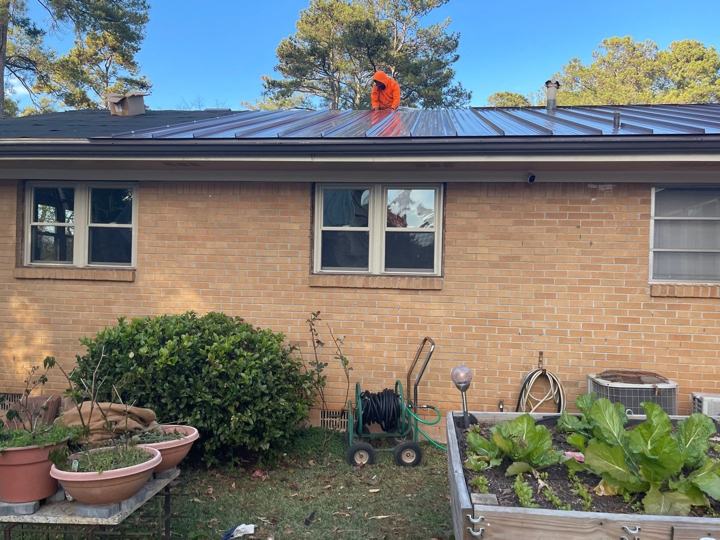
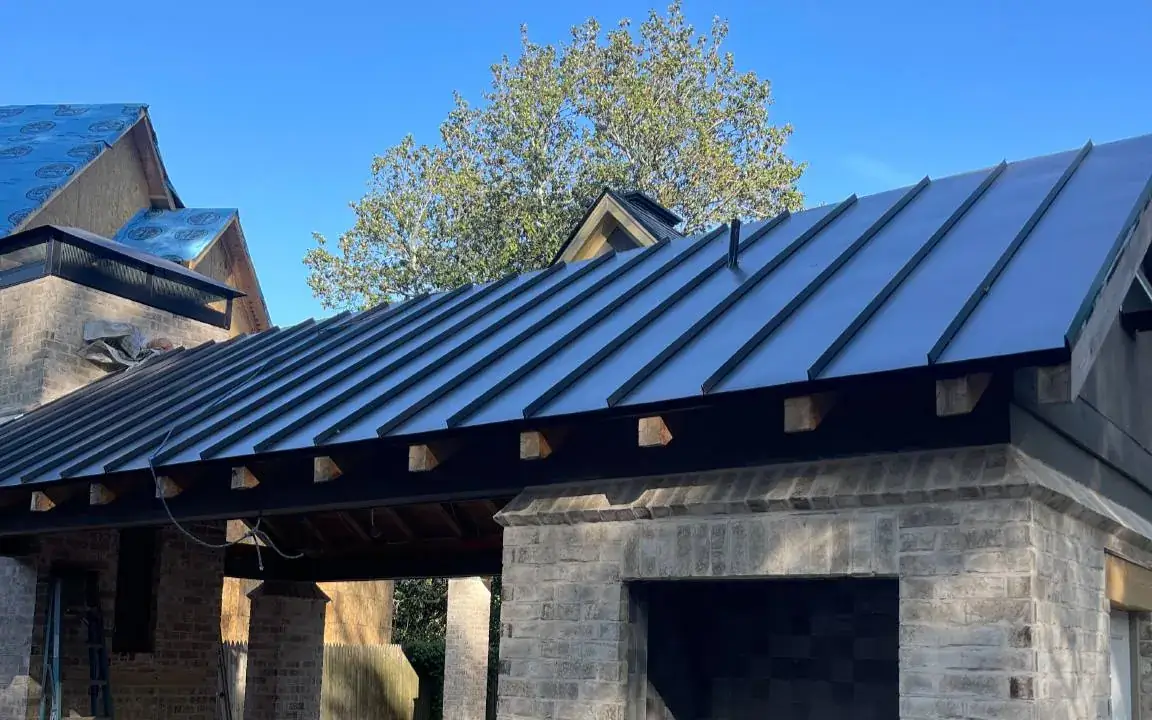
Unlike exposed-fastener metal panels, standing seam hides the fasteners under raised seams, so there are no screw holes facing the weather. Panels expand and contract with Atlanta's heat without working fasteners loose. The result is a roof that can last 40–70 years with very little maintenance.
Where it's won or lost
- Underlayment. High-temperature underlayment rated for metal.
- Transitions. Valleys, wall flashing and roof-to-wall details are custom-bent, not off the shelf.
- Penetrations. Pipes, skylights and chimneys need flashings designed for panel movement.
- Clips. Floating clips that let panels move with temperature.
Mixed-material roofs
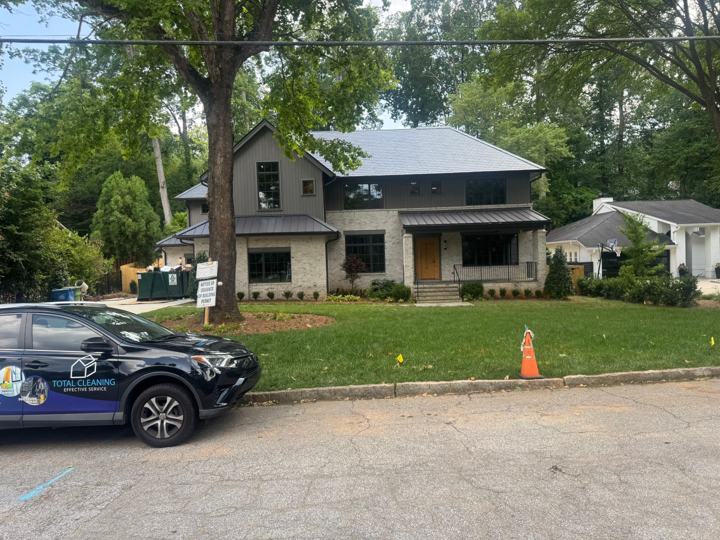
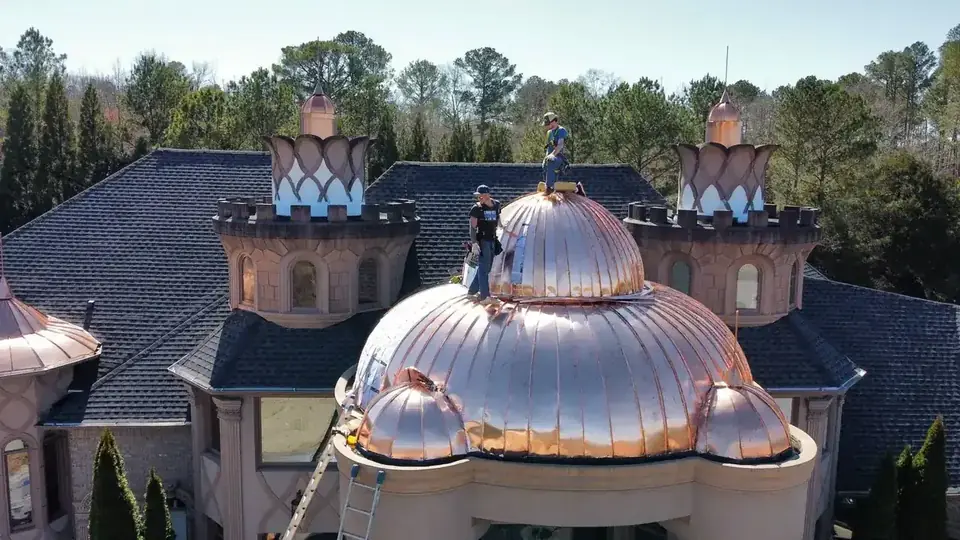
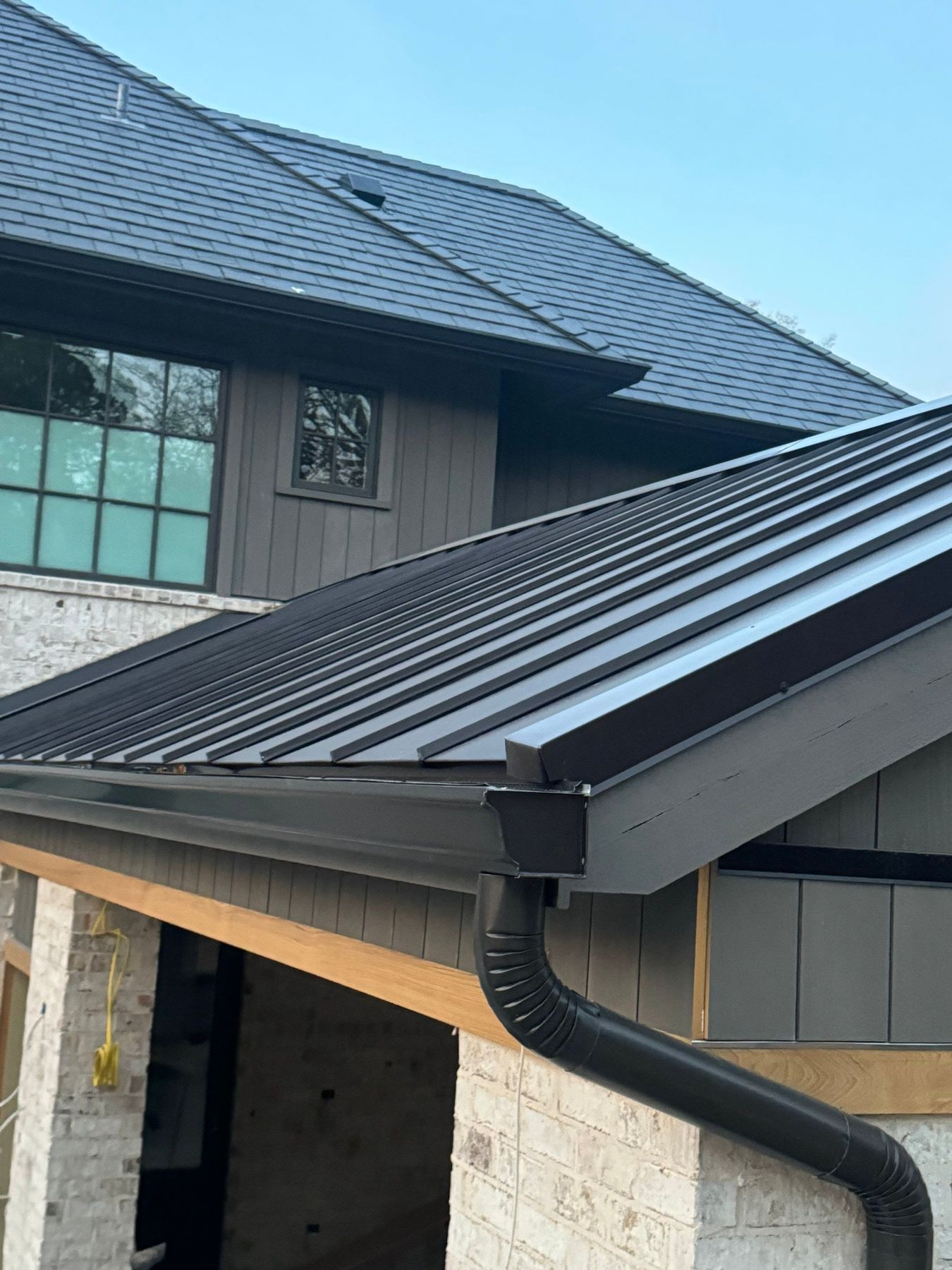
Standing seam pairs well with shingle main roofs on porches and bays, and with copper accents on high-end homes. We regularly build multi-system roofs for custom home builders. Our standing seam panels are McElroy, installed to manufacturer spec.
Frequently asked questions
Is a metal roof loud in the rain?
Over solid decking and underlayment, standing seam is not noticeably louder than shingles inside the home.
Does metal attract lightning?
No. Metal roofs don't increase the chance of a strike, and they're non-combustible.
How much more does standing seam cost?
Typically two to three times an architectural shingle roof, depending on panel, gauge, finish and roof complexity. We'll quote both so you can compare.
Do you install standing seam on homes or just commercial buildings?
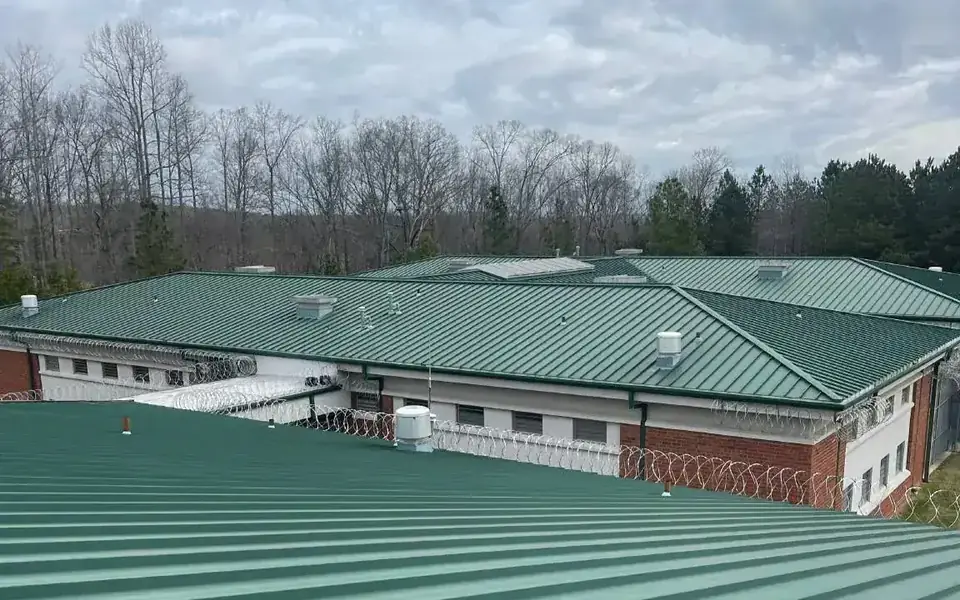
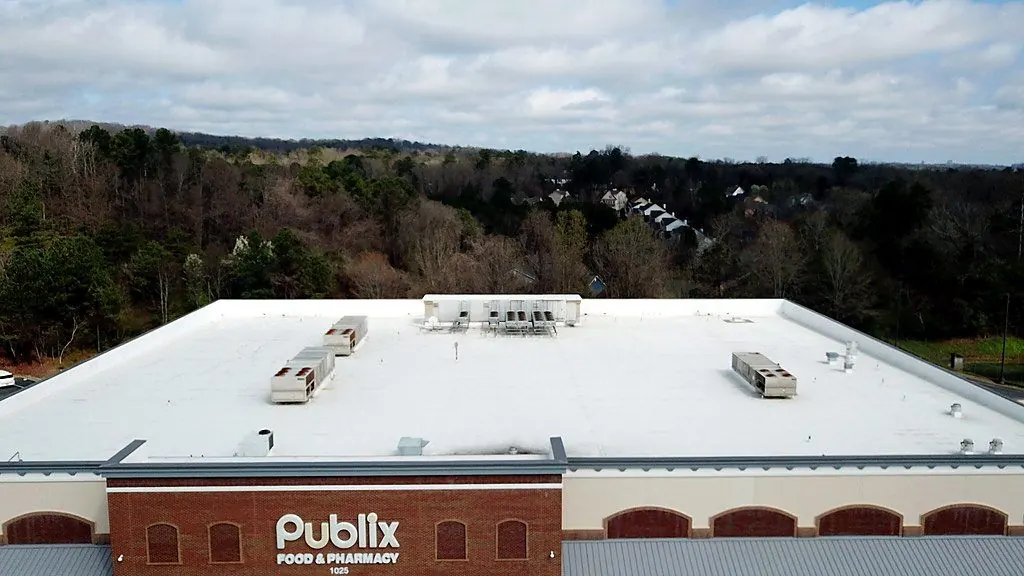
Both. We install full standing seam roofs and porch, bay and dormer accents on homes, and standing seam re-roofs on commercial buildings.
Can standing seam be combined with a shingle roof?
Yes. Standing seam over porches and bays with architectural or designer shingles on the main roof is one of the most popular combinations we install.