Mosaic Roofing logo
Mosaic Roofing
Atlanta · 5.0 ★ · 130+ reviews
Free Inspection
Authorized Attic Armor Installer

Bats & Bugs Don't Belong in Attics — Attic Armor Stops Them at the Source

Hearing scratching in the ceiling at night? You might have more than a noisy roof.

Ridge vents naturally lift over time, creating gaps that look sealed from the outside but leave a clear path underneath for bats, squirrels, and rodents to get into your attic. It's one of the most common — and most overlooked — entry points on any roof.

Get a Free Attic Protection Estimate (404) 260-3168

The Modern Standard for Ridge Vent Protection.

Attic Armor is installed directly under the ridge vent during the roofing process. It's a proactive pest deterrent system that blocks non-chewing pests before they ever get in — not a repair you call after animals are already inside.
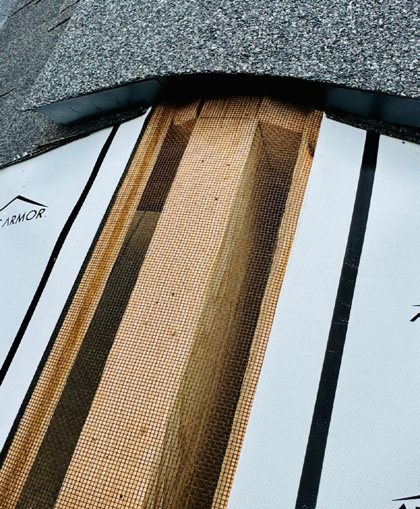
Attic Armor mesh barrier being installed along the open ridge of a shingle roof, before the ridge vent goes on.
Barrier going in. Attic Armor runs the length of the ridge opening.
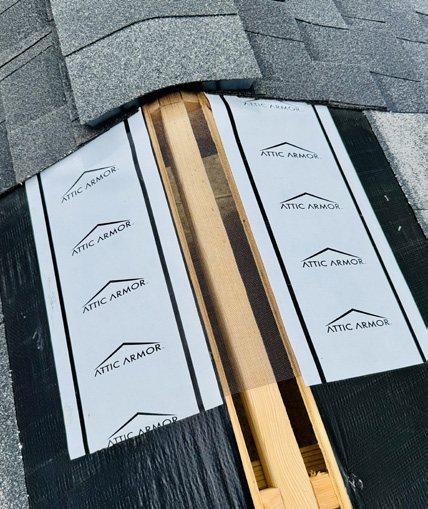
Attic Armor underlayment and ridge barrier installed on a roof ridge, with Attic Armor branding visible.
Installed with the roof. Sealed under the ridge vent, ventilation intact.
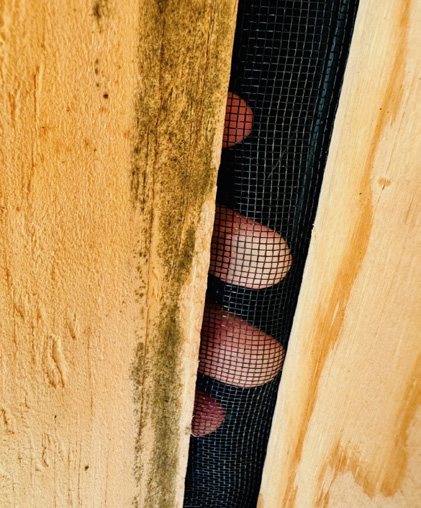
View from inside the attic: a hand pressed against the Attic Armor mesh that now covers the ridge gap between the roof boards.
From the attic side. The gap pests used is now closed off.

How It Works.

  1. Gap Identified — Ridge vents lift over time, creating an entry point that's invisible from the ground.
  2. Barrier Installed — Attic Armor is installed underneath the ridge vent during roofing, sealing the gap without blocking proper ventilation.
  3. Attic Protected — Bats, squirrels, and rodents are blocked at the source — permanently, not just patched.
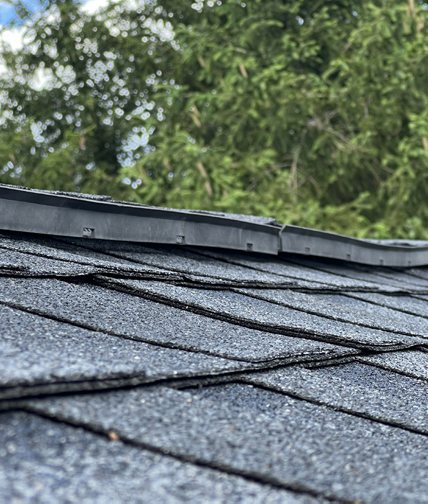
A ridge vent on an asphalt shingle roof lifting away from the shingles, leaving a visible gap.
The gap. A lifted ridge vent looks fine from the driveway.
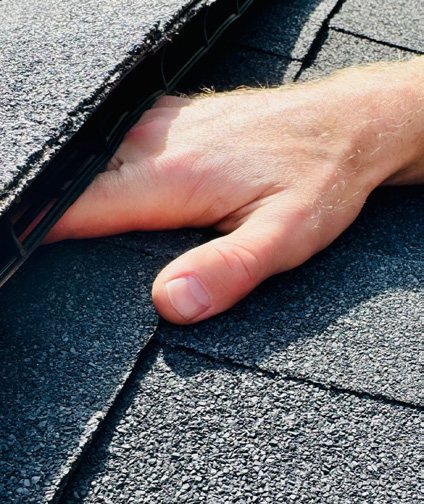
A hand sliding under a lifted ridge vent on a shingle roof, showing how wide the gap is.
Wide enough to get in. Bats need about half an inch.
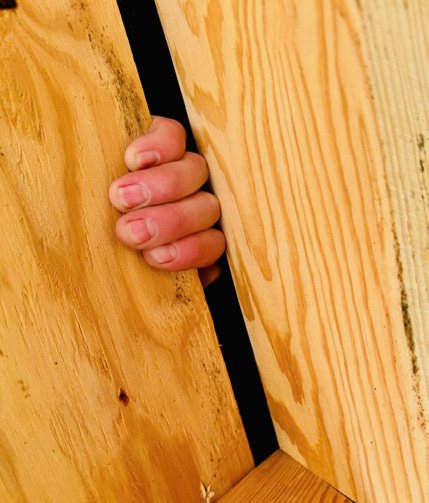
Inside an attic, fingers reaching through the open gap at the roof ridge between two boards.
Straight into the attic. Without a barrier, nothing stops them.

Why Mosaic Roofing.

Mosaic Roofing is an authorized Attic Armor installer. When you work with us, you're getting a manufacturer-backed system installed by a team certified to do it right — not a generic vent guard from a supply house.

Attic Armor Authorized Installer logo GAF Certified Residential Roofing Contractor

Replacing your roof anyway? See our roof replacement and residential roofing services. Commercial property? We're also an authorized Duro-Last dealer.

Protect Your Attic Today.

Free estimate. We'll check your ridge vent and tell you honestly whether pests can get in.

Or call (404) 260-3168 directly — same-day response.
FAQ

Attic Armor — common questions.

How do bats get into my attic through the roof?
Most attic entry happens through ridge vents. As a roof ages, the ridge vent can lift slightly, creating a gap that's invisible from the ground but wide enough for bats, squirrels, and other pests to squeeze through.
What is Attic Armor and how does it work?
Attic Armor is a pest-deterrent barrier installed underneath your ridge vent during the roofing process. It blocks non-chewing pests from entering while still allowing your roof to ventilate properly.
Is Attic Armor included with a roof replacement?
Yes — when Mosaic installs your new roof, Attic Armor is installed as part of the ridge vent system, closing off this common entry point from day one.
Does Attic Armor stop mice, squirrels, and bats?
Attic Armor is designed to block non-chewing pests, including bats and many common rodent intruders, from entering through the ridge vent gap.
Call (404) 260-3168 Free Inspection