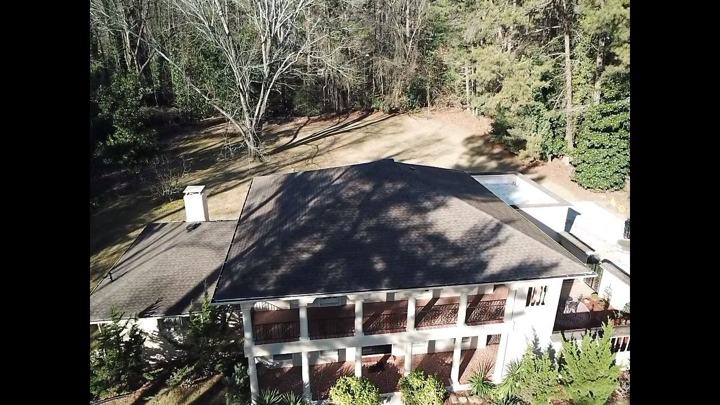
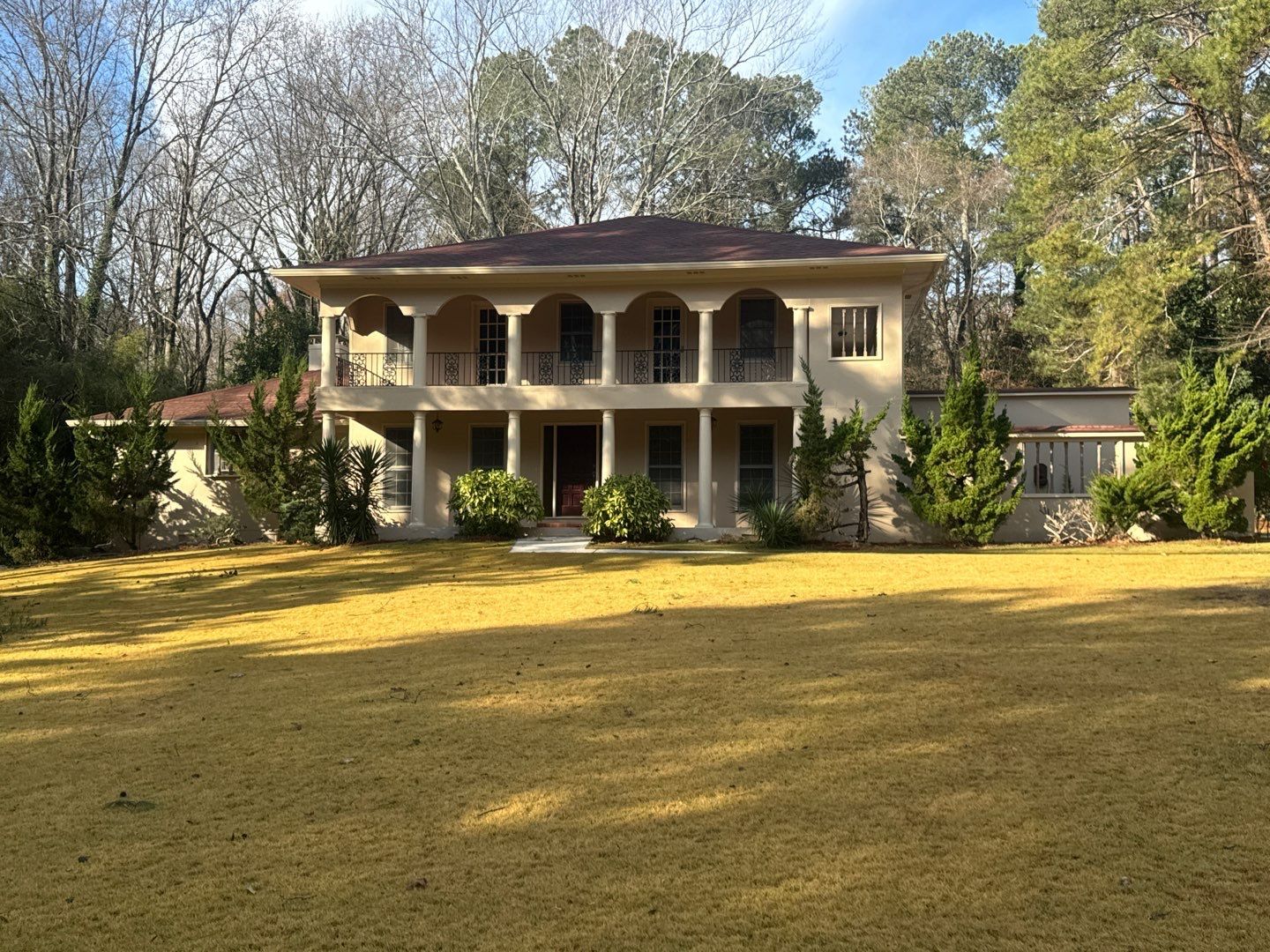
What hail does to a roof
Hail knocks granules loose and fractures the mat underneath. The roof may not leak for months — but the shingle's life has been cut short, and that's what your policy covers. Signs include granules collecting in gutters and dents on vents, gutters and downspouts.
How we document hail damage
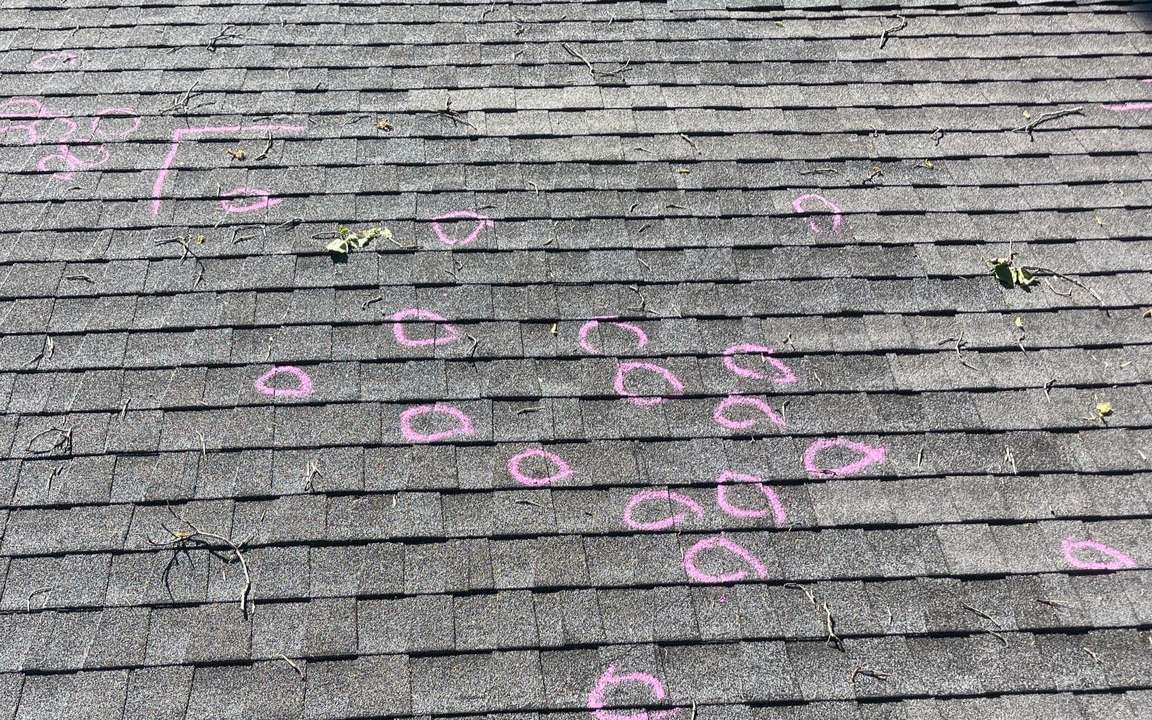
- Test squares marked on each slope with strike counts
- Close-up photos of each strike with chalk markings
- Soft metal damage — ridge vents, box vents, gutters, flashing — photographed as collateral evidence
- Storm date matched to weather data for your address
Don't let the deadline pass
Many policies require you to report damage promptly and set a time limit from the date of the storm. If a hailstorm came through your area, get the roof inspected now — even if nothing is leaking. See recent Atlanta storms.
How big does hail have to be to damage a roof?
As a rule of thumb, hail around 1 inch (quarter size) and larger starts to damage asphalt shingles, especially older ones. Wind-driven hail does more damage than hail that falls straight down, and soft metals - gutters, vents, flashing, AC fins - dent at smaller sizes. That's why we check the soft metals first: they tell us how big the hail was at your house.
Not sure if your neighborhood was hit? Check our day-by-day 2026 Atlanta hail log.
What hail damage actually looks like
- Bruises - soft spots where the shingle mat has been fractured, even if the surface looks intact.
- Granule loss - dark circular marks where the protective granules were knocked off, exposing the asphalt to UV.
- Cracked or broken shingles and damaged ridge caps.
- Dented vents, flashing, gutters and downspouts.
- Spatter marks on decks, siding and paint that show the size and direction of the storm.
Hail damage is easy to miss and easy to confuse with normal wear, blistering or foot traffic. Our inspectors know the difference, and it's the difference an adjuster will look for.
How a hail claim works with Mosaic
- Free inspection with test squares marked and photographed on every slope.
- A written report you can send with your claim.
- We can be there when your adjuster inspects to show what we documented.
- If the first estimate misses damage or code-required items, we document them in writing for you. See insurance claims assistance.
- Once approved, we replace the roof and you pay only your deductible plus any upgrades you choose.
When only part of the roof was hit
Hail rarely damages every slope evenly. Wind-driven storms usually hit the slopes facing the storm hardest, and an insurer may approve some slopes and not others. When that happens, matching becomes the question: older or discontinued shingles often can't be matched in color or profile, and a patchwork roof can hurt both appearance and value.
We document the shingle make, model and availability as part of our report so your insurer has the facts when deciding how much of the roof to replace. What your policy covers is between you and your insurer, but the documentation is our job.
Frequently asked questions
Can I see hail damage from the ground?
Rarely. Dented gutters, vents or mailboxes are a good clue, but shingle damage almost always needs a close inspection on the roof.
Will filing a hail claim raise my rates?
Storm claims are generally treated as acts of nature rather than at-fault claims, but every carrier is different. Ask your agent if you're concerned.
Is the inspection really free?
Yes. No cost, no obligation.
How long do I have to file a hail claim in Georgia?
Most Georgia homeowner policies allow 12 months from the date of the storm, and some allow more. Check your policy, and don't wait - the longer damage sits, the harder it is to tie it to a specific storm.
My neighbors are getting new roofs. Does that mean mine was damaged?
Not necessarily, but it's a good reason to get a free inspection. Hail can hit one street hard and skip the next.
What if my insurance company says there's no hail damage?
Ask for the adjuster's report in writing and get an independent inspection. If we find damage they missed, we'll document it and help you request a re-inspection.
Do I need to fix hail damage right away?
You don't have to replace the roof the next day, but you should get it inspected and report the claim promptly. Bruised shingles keep losing granules and age faster, and many policies require timely reporting.